

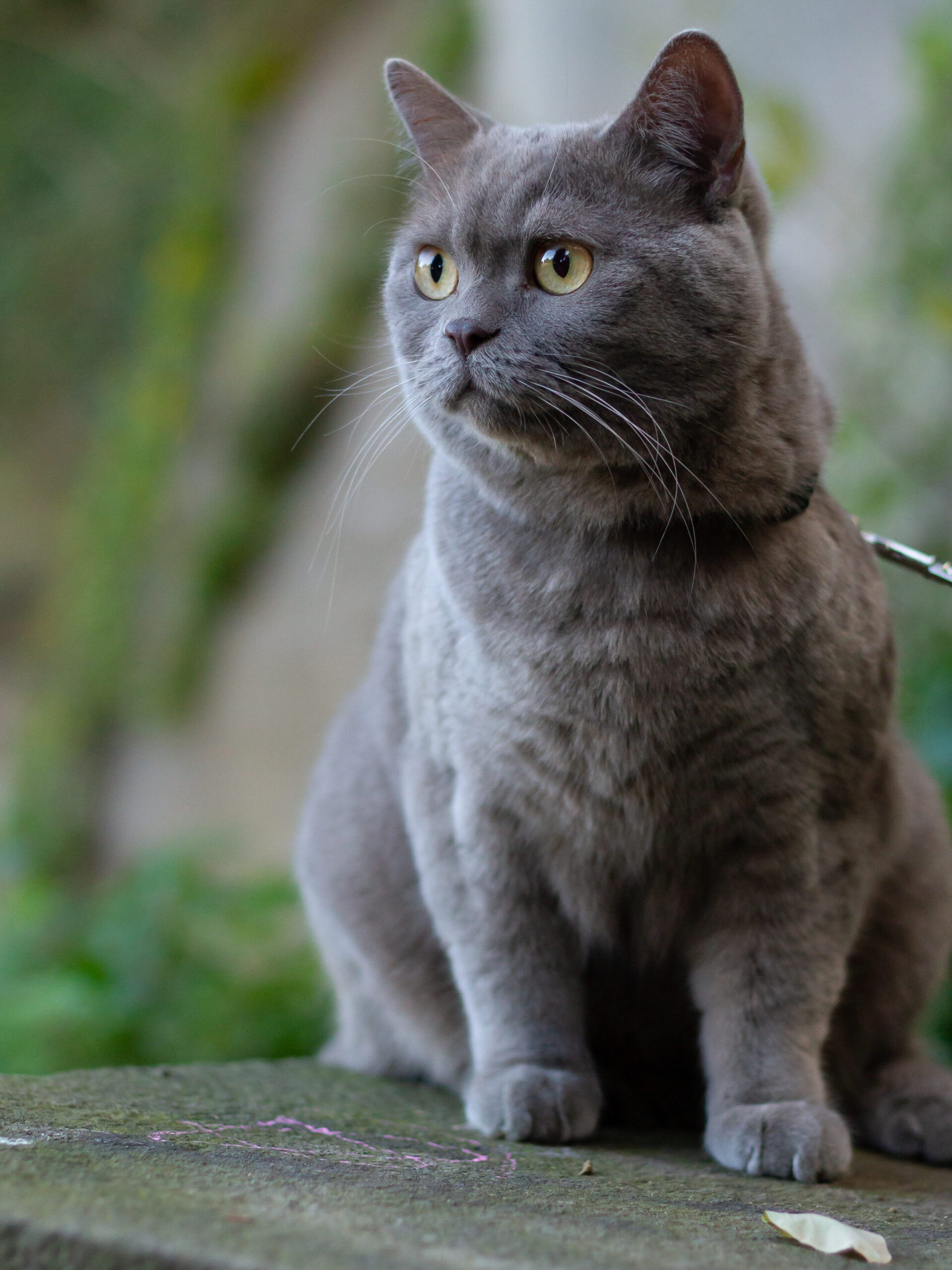
If you’re looking for a calm, friendly, and plush-coated feline companion, the British Shorthair cat might be your perfect match. Often referred to as the English Shorthair cat, this breed has won hearts across the globe with its teddy-bear looks and laid-back personality.
In this in-depth guide from Pawsome Pet Tips, you’ll learn everything you need to know about the British Shorthair—including history, characteristics, grooming needs, and how it compares with other British cat breeds.
A Glimpse Into the History of the British Shorthair Cat
The story of the British Shorthair cat begins with the Roman Empire. When the Romans invaded Britain, they brought cats from Egypt to help control pests. These cats mated with native European wildcats, creating a strong, resilient breed that eventually evolved into the British Shorthair.
In the 1800s, Harrison Weir, a cat fancier and artist, began selectively breeding the best specimens, establishing the British Blue Hair cat as the standard. The breed debuted at the world’s first cat show at Crystal Palace in 1871. Over time, breeders introduced other colors and variants, including the British Longhair cat.
British Shorthair Cat Physical Characteristics
The British Shorthair is easy to recognize. Here are the physical features that make this breed so iconic:
| Feature | Description |
|---|---|
| Size | Medium to large, 12-18 pounds |
| Build | Sturdy, muscular, compact |
| Face | Round with prominent cheeks |
| Eyes | Large, round, copper or gold (can vary by coat color) |
| Coat | Short, dense, plush double coat |
| Color Variants | Blue (most famous as the British Blue Cat), cream, lilac, chocolate, black, cinnamon, fawn, and more |
The blue-gray coat has become so iconic that many people refer to the breed simply as the British Blue Hair cat.
British Shorthair Personality and Temperament
The British Shorthair house cat is known for being calm, quiet, and undemanding. Perfect for apartment dwellers or busy families, their independent nature doesn’t require constant attention, but they enjoy a cuddle now and then.
Key Personality Traits:
- Loyal: Forms strong bonds with owners
- Quiet: Not overly vocal
- Playful: Especially when young, but not hyperactive
- Independent: Can be left alone during the day
- Gentle: Great with children and other pets
Tip: Though independent, British Shorthair kittens should be socialized early to ensure they grow into well-rounded adults.
British Shorthair vs. Other British Cat Breeds
It’s easy to confuse various British cat breeds, so here’s how the British Shorthair compares:
| Trait | British Shorthair | British Longhair Cat | Scottish Fold |
| Coat Length | Short & plush | Medium to long | Short or long |
| Temperament | Calm, loyal | Affectionate, shy | Playful, quirky |
| Grooming Needs | Low | Medium to high | Moderate |
| Ears | Upright | Upright | Folded |
How to Care for Your British Shorthair Cat
Grooming Needs
Even though the British Shorthair cat has short fur, it’s incredibly dense. Weekly brushing will help reduce shedding and prevent hairballs.
- Use a soft bristle brush or grooming mitt
- Bathe occasionally (every few months if needed)
- Regularly clean ears and trim nails
Diet and Nutrition
Because the British Short Cat is prone to weight gain, a protein-rich, low-carb diet is essential.
- Feed high-quality commercial cat food
- Add wet food for hydration
- Avoid overfeeding treats
Exercise and Mental Stimulation
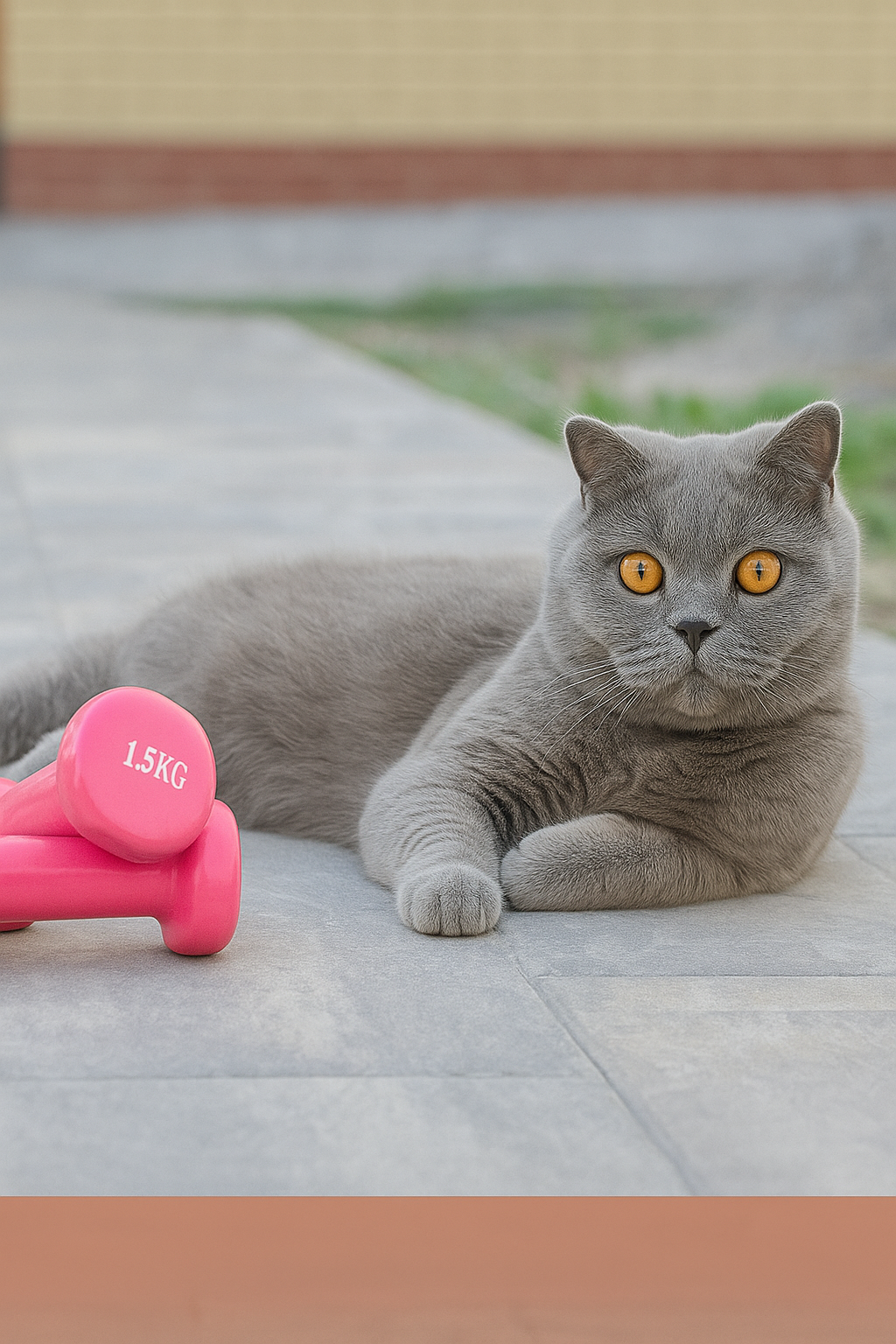
The British Short Fur Cat is not naturally athletic. Encourage activity to avoid obesity:
- Use interactive toys like feather wands and puzzle feeders
- Provide scratching posts and climbing trees
- Set aside 15-20 minutes daily for play
Health and Vet Visits
Common health concerns include:
| Condition | Description |
| Hypertrophic Cardiomyopathy (HCM) | Genetic heart disease; screen early |
| Obesity | A real concern for this breed |
| Dental Issues | Brush teeth or offer dental treats |
Be sure to schedule annual checkups and keep vaccinations up to date.
Read more on feline heart conditions at Cornell Feline Health Centre
Is a British Shorthair Right for You?
Consider the British Shorthair if you:
- Want a low-maintenance, chill pet
- Live in an apartment or quiet household
- Prefer a cat that won’t demand constant attention
- Need a pet that gets along with children and other animals
Avoid if you:
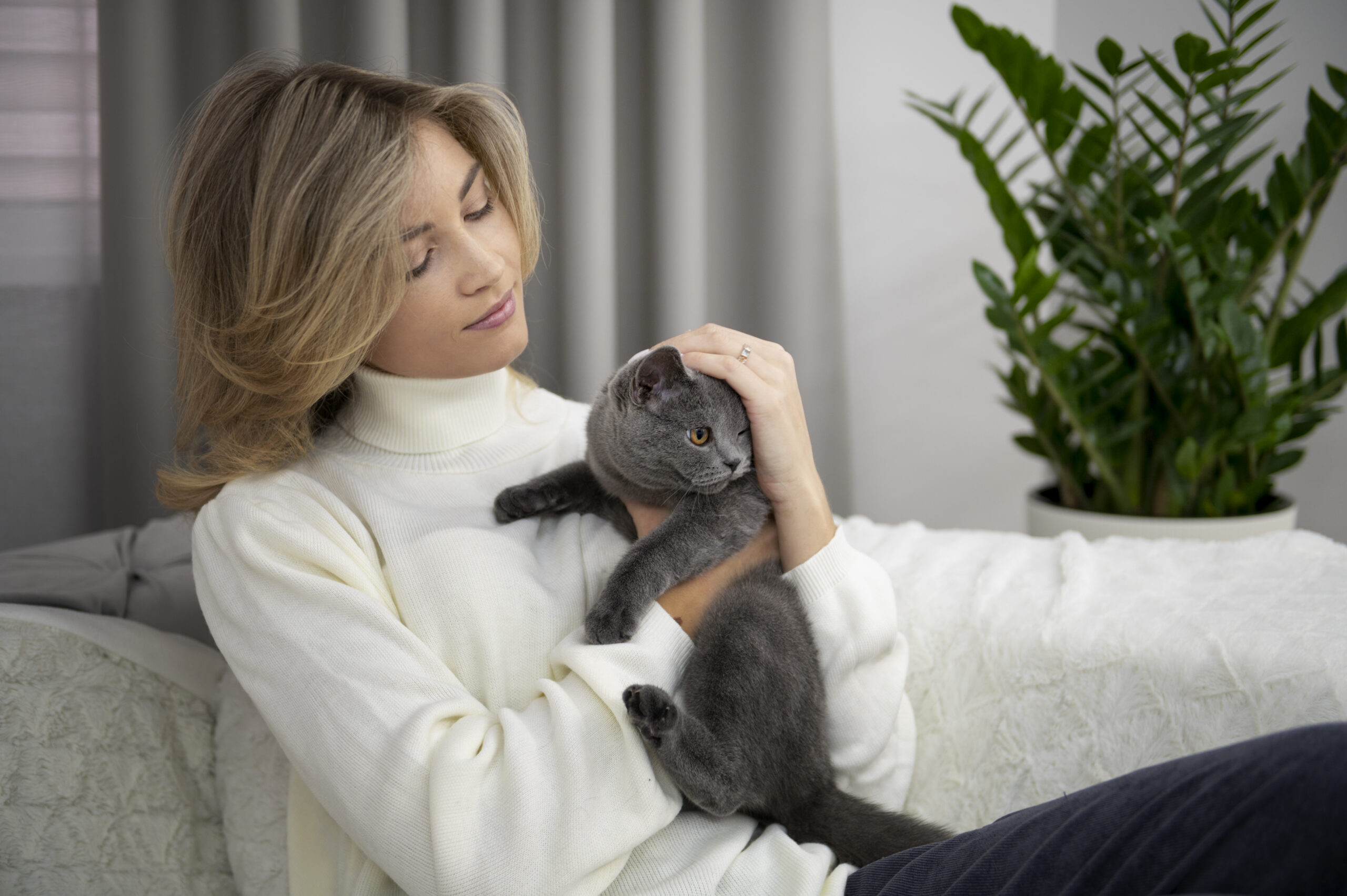
- Want a lap cat or highly active feline
- Prefer long-haired breeds (try the Persian Cats instead)
Fun Variants and Color
Beyond the classic British Blue Cat, there are several stunning variations:
- Golden British Shorthair: Shimmering gold coats with green eyes
- Chocolate British Shorthair: Rich brown fur, striking amber eyes
- Lilac and Cream: Pastel-toned elegance
- Brown British Shorthair Cat: Deep chestnut to light brown
Did you know? The British Shorthair is often dubbed the “teddy bear of the cat world.
Looking for a cat with a different temperament or grooming needs? Check out our guide to Persian Cats—they’re just as affectionate but with a fluffier twist!
Quick Comparison Table
| Feature | British Shorthair | Persian Cat | Maine Coon |
| Size | Medium-Large | Medium | Large |
| Activity | Moderate | Low | High |
| Grooming | Weekly | Daily | Moderate |
| Lifespan | 12-20 years | 12-17 years | 10-15 years |
| Ideal For | All families | Quiet homes | Active families |
Final Thoughts
The British Shorthair is more than just a pretty face. With its easygoing nature, adaptability, and plush fur, it’s no wonder the British Short Cat has found fans worldwide. Whether you call it a British Shorthair, English Shorthair, or even British Shortcut Cat, one thing is clear—this breed is truly pawsome.
If you’re looking to adopt, remember to check with certified breeders or local shelters. You just might find your new best friend waiting.
FAQs About British Shorthair Cats
Q. Are British Shorthairs good indoor cats?
Yes! The British Shorthair house cat adapts beautifully to indoor life.
Q. Do British Shorthair cats shed?
Yes, but not excessively. Weekly grooming helps control shedding.
Q. Is the British Shorthair hypoallergenic?
No cat is truly hypoallergenic. However, some allergy sufferers find this breed more tolerable due to its short coat.
Q. What is a British Shortcut Cat?
That’s likely a mistaken term. It usually refers to the British Shorthair cat due to autocorrect or regional spelling.
Q. Is a British Shorthair cat a good pet?
Yes, the British Shorthair cat is an excellent pet. Known for its calm demeanor, independence, and affectionate personality, this breed adapts well to both single-person households and families with children or other pets. They are low-maintenance, not overly demanding, and great for first-time cat parents.
Q. How expensive is a British Shorthair cat? / How much does a British Shorthair cat cost?
The price of a British Shorthair cat depends on factors like pedigree, color, breeder reputation, and location:
| Type | Estimated Cost (INR) |
| Pet Quality | ₹30,000 – ₹60,000 |
| Show Quality | ₹70,000 – ₹1,00,000+ |
| British Shorthair Kitten | ₹20,000 – ₹50,000 |
In the U.S. or UK, the cost may range from $800–$2,500+. Always choose a reputable breeder or consider adoption.
Q. Can a British Shorthair cat survive in India?
Yes, British Shorthair cats can thrive in India with proper care. Their thick coats may require extra grooming in warmer climates, and it’s important to keep them in well-ventilated indoor spaces. With good hydration, a protein-rich diet, and regular vet checkups, they adapt well to Indian households.
Q. What colors are British Shorthair cats?
British Shorthairs come in a wide variety of colors and patterns. Some of the most popular include:
| Color/Pattern | Description |
| British Blue | Classic solid blue-grey coat with amber eyes |
| Chocolate | Warm brown coat, very rare |
| Lilac | Pale greyish-purple hue |
| Golden | Golden shaded or golden tabby |
| White/Cream | Solid white or creamy shades |
| Black | Jet black coat with copper eyes |
| Tabby | Striped, classic, or mackerel patterns |
| Bi-color | Combination of white with other solid colors |
| Tortoiseshell | Black and orange mixed pattern |
Note: The British Longhair cat is a variant with a longer, plush coat and also comes in many of the above colors.
